

What’s Next: 7 Marketing Trends to Watch (and act on) for 2026
If the last few years have taught us anything in marketing, it's that the speed of change isn't slowing down—it's accelerating. Every new year brings a fresh wave of predictions, but a strategic consultant knows that the real challenge isn't identifying the trends; it's translating them into actionable, profitable shifts for your specific business.
We’re looking past the noise to identify the most credible forecasts from global leaders like Kantar and BCG. The overwhelming consensus? 2026 won’t be about radical reinvention, but about layering smarter systems, deeper trust, and human voice on top of accelerating tech change.
Here are seven strategic shifts—the real work behind the buzzwords—that will define success in 2026.
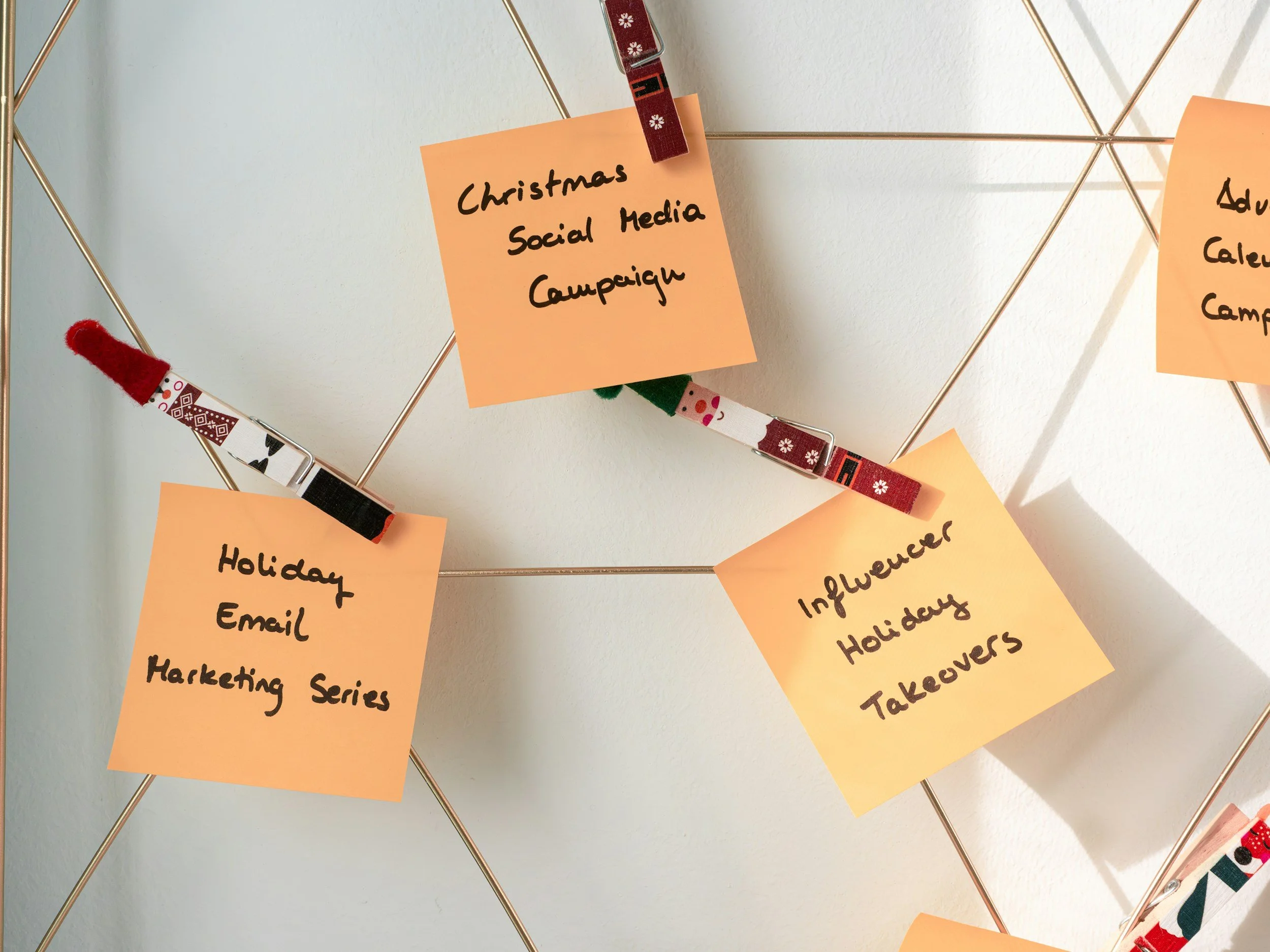
How to Create Holiday Content that Doesn't Burn You Out
The end-of-year holiday season is often described as a marketer's dream—the time of peak consumer spending, emotional connection, and soaring engagement. It’s also, frankly speaking, a recipe for strategic burnout.
The pressure to produce endless streams of festive content, manage promotions, and track sales can feel like trying to cram a nine-foot Christmas tree in a three-foot space. Marketers often end up overworked, with content that feels rushed, and their hard-earned break is spent recovering, not recharging.
We believe that the most effective marketing strategy during the holidays is one that is intentional, simplified, and sustainable. You shouldn’t have to sacrifice your well-being (or your budget) to connect with your customers.
Here is a tactical guide to surviving—and thriving—in the busiest marketing season with realistic expectations and an effective plan. If you’re already in the trenches, save this post to revisit next year!

How to Future-Proof Your Marketing Strategy for 2026
As the calendar hurdles towards the new year, you can almost feel the collective impulse to sprint towards a hot new marketing trend, tool, or acronym.
But take a deep breath and pause. If your marketing foundation is shaky, chasing the latest wave won’t get you to your destination; it’ll just capsize your efforts faster.
At Yarnell, we see strategic planning less as a frantic rush to the new and more as a necessary reset. Future-proofing your marketing isn’t about predicting the exact trends of 2026; it’s about building a system that’s robust enough to handle the inevitable changes ahead.
Before you invest another dollar in the next shiny marketing tactic, let’s simplify and clarify.

The Art of Doing Less: Your Secret Weapon in a 'Do-It-All' Marketing World
There’s a persistent, low-humming anxiety in modern marketing, and it sounds a lot like this: “We need to be on TikTok. Are we posting enough on LinkedIn? What about a podcast? And didn't someone say email newsletters are back?”
You're not alone. In a digital world where new platforms launch faster than you can schedule a post, the pressure to adopt a 'do everything, everywhere' approach is immense. You fear missing out, and so you spread your resources—time, budget, and mental energy—like a thin layer of butter over a huge loaf of bread. The result? You get a little bit of meh everywhere, and a whole lot of internal exhaustion.
At Yarnell Consulting, we see this pattern often. Businesses are busy, yes, but often, they are simply busy being ineffective. They mistake high activity for high impact. The most potent and profitable marketing isn't about volume; it’s about precision. It’s the art of strategic omission.

How to Use Email Marketing to Cut Through Holiday Noise
The end of the year creeps in with inboxes groaning under the weight of ‘unmissable’ offers. Black Friday! Cyber Monday! Free shipping—but only if you order before 2 pm, on the 18th, and can get through the flashing countdown timer first.
The holiday inbox has become a crowded marketplace of urgency and exclamation points. With so many emails shouting the same thing, how do you get heard? Our answer: stop shouting.
How to Build a Content Calendar That Actually Works
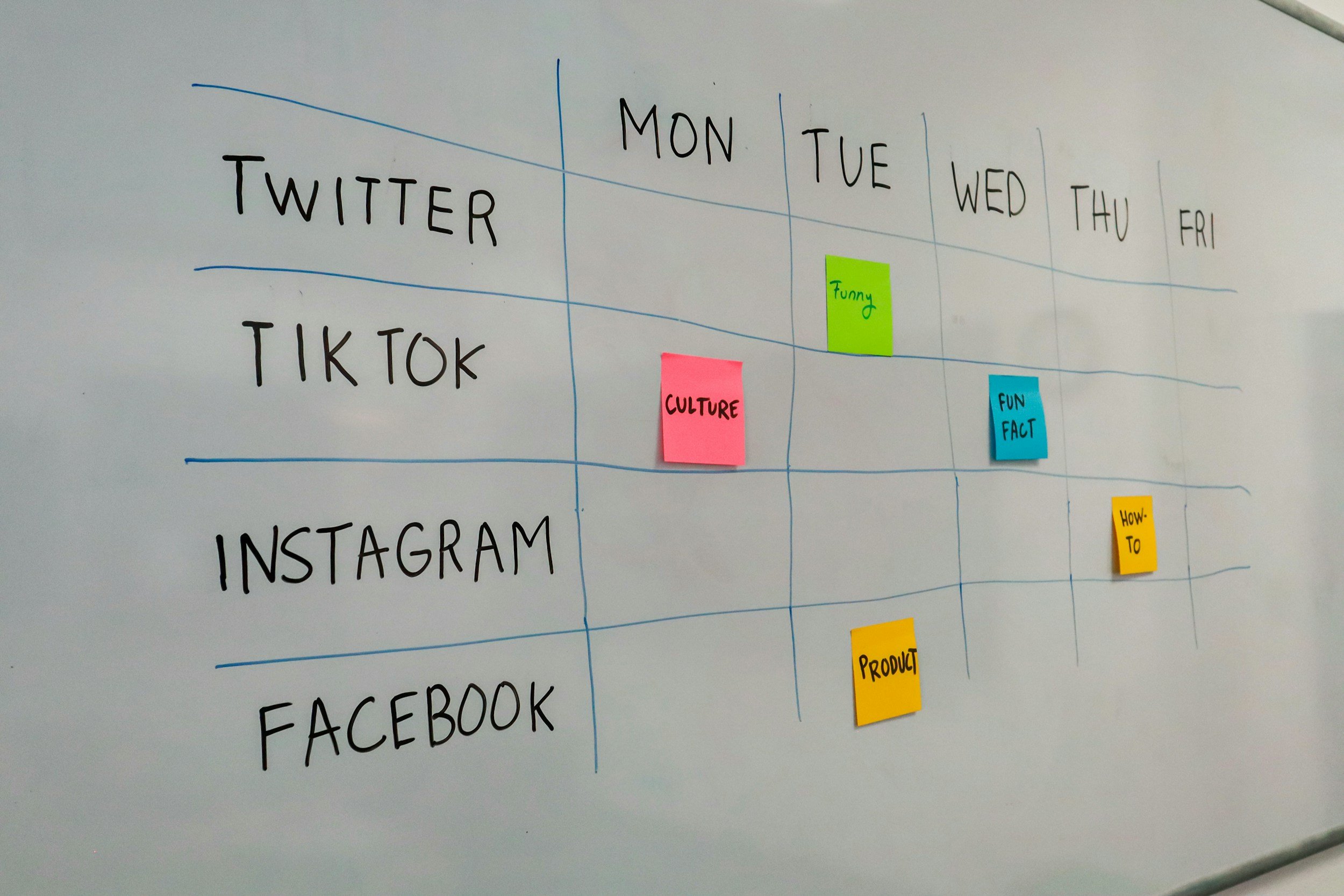
We’ve all been there—staring at a blank spreadsheet labeled content calendar, hoping the coffee we chugged brings the inspiration and ambition we need. The idea to create a content calendar starts with great intentions—this year, I’ll post once every week!—and ends with a handful of half-finished ideas, a few missed deadlines, and that sinking feeling that social media might actually be a black hole. Or witchcraft.
Most content calendars fail because they’re built for a fantasy version of marketing. The one where you have infinite time, your creativity never dips, and every platform gets equal love. The reality is that good marketing isn’t about doing more. It’s about doing less, but better.

The Holiday Marketing Trap and How Smart Brands Avoid it
Every November (or earlier!), marketers everywhere feel it—that creeping pressure to do something big for the holidays. A splashy sale! A festive campaign! A rebrand of your logo in red and green just because everyone else is doing it!
But the holidays shouldn’t be a time to abandon the hard work you’ve put into your brand, strategy, and understanding your customers’ needs. Feeds are cluttered around this time of year, making it hard to be noticed at all. It’s a sea of sameness out there—a lot of noise, not a lot of return.
So how do smart brands actually stand out? They don’t shout louder; they stick with their strategy.

One Size Doesn't Fit All: Matching Your Message to The Right Social Channel
A ‘one size fits all’ approach rarely fits all. From t-shirts to bicycles and beyond, it’s probably just going to fit a small demographic. The same goes for social media strategies.
For many brands, social content starts as a good intention—”let’s meet our customers where they are!”—and ends as a copy-paste exercise across every channel. A thoughtful LinkedIn post becomes an awkward Instagram caption. A snappy TikTok is recycled on Facebook and lands offensively to an audience that doesn’t understand the joke. It’s not the message that’s wrong; it's just not dressed for the occasion.
So how do you make sure your message fits? You start with strategy, not the platform.

Is Your Marketing Working? How to Measure What Really Matters
Marketing can sometimes feel like shouting into the void—and then obsessing over how many people heard you. Likes, followers, impressions… they’re easy to see, easy to count, and tempting to fixate on. But here’s the hard truth: just because a post garnered 500 likes doesn’t mean it moved the needle for your business.
Small business owners can easily fall into this trap, mistaking vanity metrics for real results. It’s not that engagement isn’t useful—it’s that engagement alone doesn’t pay the bills. To understand if your marketing is working, it’s important to focus on metrics that connect to your business goals.

Building a Brand: What Small Businesses can Learn (and unlearn)
When most people hear the word brand, they think logo. Or maybe a colour palette or a fancy tagline. But branding isn’t just what your business looks like; it’s the sum of how people experience it.
That means yes, your logo matters. But so does how you answer the phone, how easy your website feels to navigate, the tone of your emails, and even how quickly you reply to a message. Your brand is the impression people walk away with after interacting with your business. If that impression isn’t clear, consistent, and positive, you risk being overlooked—or worse, forgotten.

The Secret Sauce: Balancing Marketing Consistency with Creativity
In marketing, consistency and creativity often are at odds with one another. Consistency says, ‘stick with the plan,’ while creativity shouts, ‘let’s shake things up.’ While many people lean one way or the other, it’s important to find balance.
Think of it like cooking: consistency is the reliable recipe that produces the same delicious meal each time, while creativity is the unexpected ingredient that keeps things exciting. Too much of one without the other and you end up with either bland repetition or a confusing jumble.

The Difference Between Marketing Strategy and Tactics
If you’ve ever felt like you’re ‘ticking off marketing’ with a social media post, quick email blast, or sale, you’re in good company. Small business owners are the masters of action—always moving, always juggling. The problem is, marketing activity alone doesn’t equal marketing strategy.
It’s a common trap: we equate busyness with effectiveness. Posting often, handing out discounts, or throwing money at ads doesn’t guarantee you’ll grow the business the way you want to. That’s because those are tactics. And while tactics are important, they only work when they’re anchored in a bigger plan—your strategy.

Three Marketing Lessons Every Small Business Can Borrow from Big Brands
Big brands succeed not just because they have deep pockets, but because they’ve mastered some timeless marketing principles. And the good news? These lessons can be translated into simple, actionable moves for small businesses—no Super Bowl-level ad spend required.
Let’s look at three big-brand strategies you can borrow and scale down to fit your business right now.

Why Exposure Alone Won’t Build Long-term Success
Think about running shoes. If I asked you to name a brand, chances are Nike or adidas sprinted to the front of your mind. Maybe New Balance or Asics followed close behind. That quick recall is brand salience—the mental shortcut that puts certain names at the front of the line.
Exposure plays a big role in building that recall. The more often you see a brand, the more likely it is to pop into your head when you’re ready to buy. But exposure by itself isn’t enough. Long-term success comes from being remembered and chosen—which requires trust, relevance, and distinctiveness, not just visibility.
In this blog, we’ll explore why exposure matters, where it falls short, and what else you need to build a brand that lasts.

Where to Start with Marketing: Understanding Your Audience First
Our product is amazing—we just need more people to see it. Sound familiar? It’s one of the biggest issues for businesses, and is rooted in a poor marketing foundation. The truth is, even the best products fall flat if you don’t understand who you’re building for and what problem you’re solving. Otherwise, you’re just yelling into the void—and the void is noisy.
That’s why knowing your audience isn’t a nice-to-have; it’s the foundation of every strong marketing strategy. Without it, everything else—your brand story, campaigns, content, even ad spend—rests on shaky ground. Let’s dig into why it matters so much, where businesses often stumble, and how you can set yourself up for success.

Brands Are Built Over Years, So Why Do We Manage Them Over Quarters?
Brands Are Built Over Years, So Why Do We Manage Them Over Quarters?
We can’t take credit for this very poignant question. That one goes to the big brains Leonard Lodish and Carl Mela over at Harvard Business Review, but I can repeat it - because it’s a question worth asking and one that comes up time and time again (most recently in the AMI article below - definitely worth a read).
We marketers love a refresh. A rebrand. A bold new campaign. But here’s the reality:
Consistent brands are stronger brands.

Why Social Media Alone Won’t Grow Your Business: A Full-Funnel Approach Matters
If you're a small business owner in Christchurch or anywhere across New Zealand, you’ve probably felt the pressure to focus your marketing efforts on social media. It makes sense—social media is everywhere. It’s engaging, immediate, and seems to be where the action is. In fact, I’ve often found that the first question clients ask me is, “Can you help us with our Instagram strategy?”
But here’s the thing: social media is just one piece of the puzzle. While it’s an important tool in any marketing strategy, relying solely on social media won’t bring the sustainable growth your business needs to thrive.